


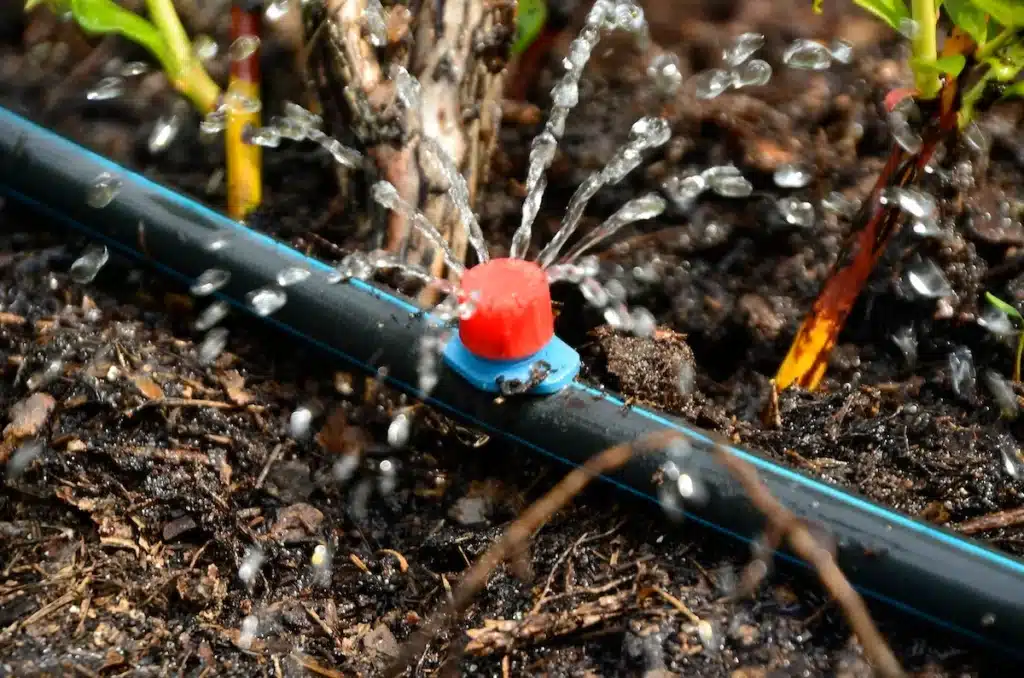
If you’re looking to enhance your garden’s efficiency and conserve water, drip irrigation could be your solution! This guide will walk you through everything you need to know about drip irrigation—what it is, how it works, its best uses, and the benefits it offers.
What is Drip Irrigation?
Drip irrigation is a highly efficient watering system that delivers water directly to the root zone of plants. Unlike traditional sprinkler systems, which can waste a lot of water through evaporation and runoff, drip irrigation ensures that water is used efficiently through slow and steady application, exactly where it’s needed.
How Does Drip Irrigation Work?
Drip irrigation systems work by distributing water through a series of small tubes and emitters, which are strategically placed near the base of each plant. This method minimizes water wastage and helps maintain optimal moisture levels in the soil.
Drip irrigation systems include the following components:
Water Source
This source could be a garden hose, rain barrel, or main water supply line.
Pressure Regulator
This ensures that the water pressure is at an optimal level for the drip system, which is typically lower than that of traditional sprinkler systems.
Filter
The filter keeps water free from debris that could clog the emitters.
Drip Tubes or Tapes
These are laid out along the planting beds and have small emitters spaced at regular intervals.
Emitters
These control the flow of water, allowing it to drip slowly and steadily onto the soil.
Best Uses for Drip Irrigation
Drip irrigation is incredibly versatile and can be used in various gardening scenarios.Some of the best uses for drip irrigation systems include:
Raised Beds
Raised beds are garden beds that are elevated above the surrounding soil level, typically framed with materials like wood, stone, or metal. Drip irrigation is perfect for raised beds, as it can provide targeted watering to plants without oversaturating the soil. This is especially beneficial for vegetables and flowers that need consistent moisture levels in order to thrive.
Flower Beds and Borders
Drip irrigation ensures that ornamental plants receive the right amount of water without wetting the foliage. This reduces the risk of disease to the plants.
Container Gardens
For a collection of potted plants, drip irrigation can be adapted to provide each container with its own ideal amount of water.
Greenhouses
Drip irrigation can maintain optimal growing conditions in a greenhouse, as it ensures uniform moisture levels.
Benefits of Drip Irrigation
Implementing a drip irrigation system in your garden offers numerous benefits, including:
Water Efficiency
Drip irrigation uses 30-50% less water than traditional sprinkler systems, making it an eco-friendly choice that conserves water resources.
Improved Plant Health
By delivering water directly to the root zone, drip irrigation promotes deeper root growth and reduces water stress, leading to much healthier plants.
Reduced Weed Growth
Water is applied only where it’s needed, minimizing the moisture available to weeds, helping to keep them under control.
Time Savings
Once installed, a drip irrigation system requires minimal maintenance.
Flexibility
Drip irrigation can be customized to suit the specific needs of different plants and garden layouts, ensuring that each plant receives the right amount of water.
Drip Irrigation vs. Soaker Hoses
When comparing drip irrigation to soaker hoses, it’s important to consider your specific gardening needs.
Here are the primary differences between drip irrigation systems and soaker hoses:
Water Distribution
- Drip irrigation provides more precise water delivery, ensuring that each plant gets exactly the right amount of water.
- Soaker hoses can sometimes deliver inconsistent moisture levels, especially if the hose is not evenly positioned.
Customization
- Drip irrigation systems can be tailored to suit different plant types and garden layouts.
- Soaker hoses are less flexible and may not be suitable for all garden designs.
Maintenance
- Drip irrigation systems require regular checks to ensure that emitters are not clogged.,
- Soaker hoses need to be monitored for leaks and wear.
Generally speaking, drip irrigation offers greater precision and flexibility, making it the better choice for most gardeners. However, soaker hoses can still be an effective and simpler option for specific scenarios, such as watering long rows of plants.
Drip Irrigation Installation in Northern Virginia
Ready to transform your garden with drip irrigation? Contact our expert team today to learn more about how we can help you design and install the perfect system for your needs!